Clay Higgins Stands Alone as House Votes to Release Epstein Files
The U.S. House made a rare bipartisan move this week. Lawmakers voted 427–1 to release long-sealed files connected to Jeffrey Epstein. The surprise did not come from the bill passing. It came from Rep. Clay Higgins, who was the only member to vote against it.
What the Epstein Files Bill Would Reveal
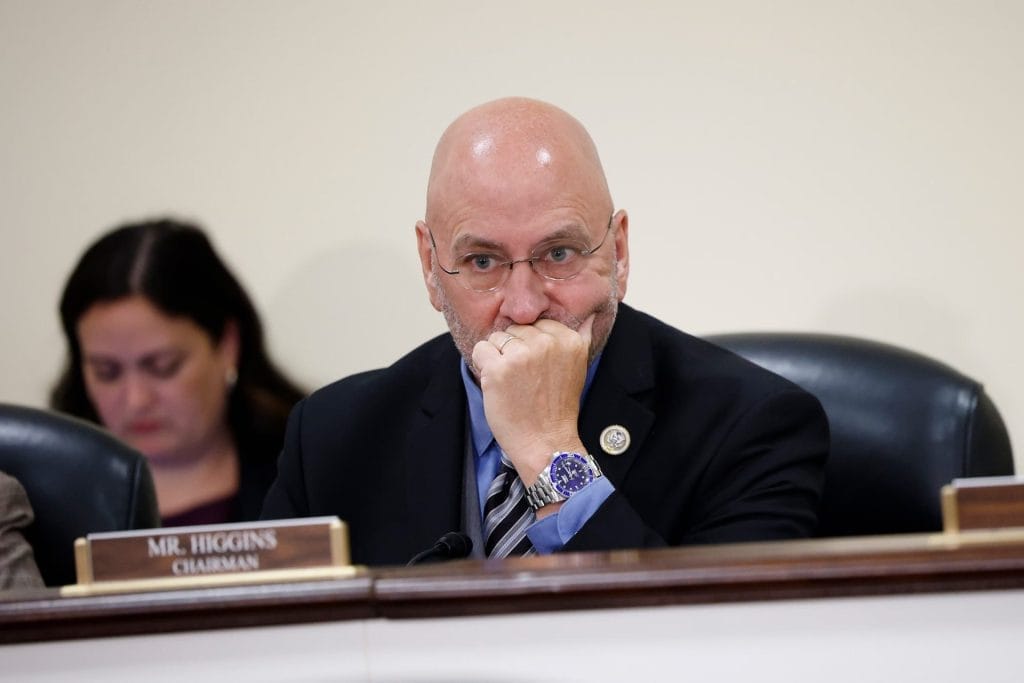
The bill demands the DOJ unseal a broad collection of Epstein-related documents, including past interviews, investigative notes, and court materials that were never made public. Lawmakers backing the bill say the release is long overdue, especially given lingering questions about Epstein’s associates, security failures, and how the case was handled behind closed doors.
Victim advocates have been calling for transparency for years, and the November 18 vote was the clearest sign yet that Congress is ready to open the archive. Axios described the vote as “sweeping” and “one of the most bipartisan moments of the year.”
Why Higgins’ Lone “No” Vote Stood Out
While nearly every Republican and Democrat voted to release the files, Higgins went the opposite direction. He didn’t give a full explanation at the time of the vote, which only amplified the reaction online. The New York Times live coverage highlighted how unusual it was to see a member of Congress take such an isolated stance on a transparency bill rather than a policy-heavy proposal.
Higgins is known for sticking to his own lane, even when it puts him at odds with his party. But in this case, the scale of the vote made his “no” hard to ignore. Social media lit up within minutes, and reporters quickly flagged him as the outlier in a moment where nearly the entire House agreed.
Public Reaction and Questions Raised
The response to the vote was immediate. Many asked what Higgins objected to — the scope of the document release, privacy concerns, or something else. Some of his supporters argued he may have had issues with the bill’s structure or potential national-security implications. Others criticized the vote outright, saying transparency around Epstein is exactly what the public expects from Congress.
BBC’s reporting noted that victims’ groups, in particular, cheered the bill’s passage and called the release of Epstein files “essential for closure.”
What Happens Next
The bill now heads to the Senate, where leadership has signaled general support but hasn’t finalized the timeline. Even if it becomes law, some documents may still go through redactions or face legal pushback.
For now, though, the political story is clear: Congress came together on one of the most sensitive cases in recent memory, and Clay Higgins stood alone on the other side. And with the 2026 election cycle starting to warm up, his vote is almost certain to follow him back home to Louisiana.
More…